Industries are not just adapting to sustainability; they are thriving. Structural engineering, pavement engineering, and technology are leading the way by incorporating comprehensive environmental, social, and economic considerations into their practices. This shift is about mitigating current ecological impacts and enhancing prospects, making it a win-win situation for all. The future is bright with these sustainable practices, offering improved durability, reduced waste, and enhanced performance while significantly contributing to a healthier and more sustainable environment.
Structural engineering is revolutionizing by prioritizing using recyclable materials, enhancing the durability of structures, and reducing construction waste. The sector explores innovative materials like high-performance concrete and recycled steel, which offer longer life spans and reduced environmental footprints. Advanced simulation tools predict and improve the performance of materials under various environmental conditions, ensuring new structures are resilient and sustainable.

Similarly, pavement engineering is crucial in sustainable infrastructure. It focuses on green pavement solutions that reduce the urban heat island effect and improve stormwater management. Techniques such as permeable pavements and recycled materials like rubber from discarded tires are gaining traction, enhancing transportation networks’ sustainability and functionality in changing climates.
Technology is not just a part of the sustainability revolution; it’s at the forefront, driving innovations like Green IT, workforce automation, and enhanced ESG (Environmental, Social, and Governance) reporting. For instance, data centers are now designed with energy efficiency in mind, using renewable energy and advanced cooling mechanisms to curb energy consumption. AI and machine learning are not just optimizing operations; they’re reducing resource wastage, demonstrating the transformative power of technology in driving sustainability, and inspiring us with the innovation potential.
The adoption of wind turbines is a significant step towards renewable energy sources, which are crucial for reducing reliance on fossil fuels and minimizing carbon footprints. Wind energy, one of the most efficient and cost-effective renewable resources, is integrated into national grids at an increasing scale. Advancements in turbine technology, such as improved blade designs and offshore wind capabilities, are making wind energy more accessible and practical, contributing significantly to our sustainability efforts.
At ASDEA, we don’t just strive to implement sustainable construction practices; we believe they’re crucial. We integrate environmental principles in project executions, particularly in piled raft foundations for high-rise buildings. Their approach includes a layer of sand or aggregates to effectively manage seismic responses, showcasing how sustainable construction practices can be practically applied. We use BIM methodology to enhance the ability to model complex interactions between structural elements and the environment and lead to more refined and sustainable building techniques. The urgency of adopting these practices is apparent, and we’re committed to leading the way.
As these sectors evolve, their commitment to sustainable practices will be pivotal in addressing modern societal challenges and leading the way to a more sustainable future. The continued advancement in sustainable technologies and methodologies promises to enhance environmental stewardship while fostering economic growth and social well-being.
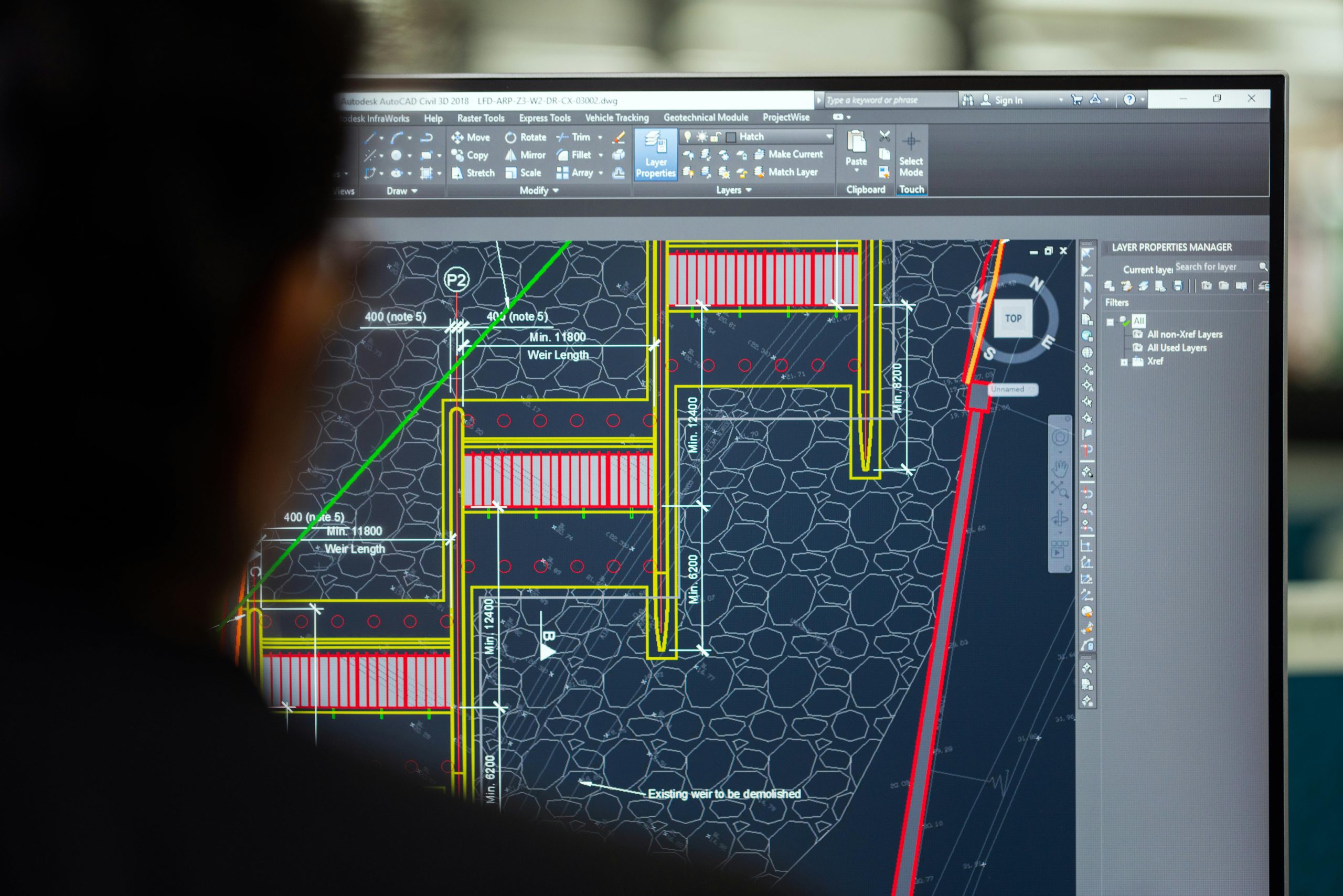
For deeper insights into sustainable practices across these sectors, you can explore them further in our STKO Library and YouTube channel or through the original articles. All links are listed below:
Sources
- https://www.fhwa.dot.gov/pavement/sustainability/articles/importance.cfm
- https://intervision.com/blog-sustainable-technology-paving-the-way-for-a-greener-future/
- https://www.youtube.com/live/3trWY_C5sWM?si=TIHi_iGD78j9eZNE
- P.A. Amalu, B.R. Jayalekshmi, Study on seismic response of unconnected piled raft with rubber mixed soil, Materials Today: Proceedings, 2023, ISSN 2214-7853, https://doi.org/10.1016/j.matpr.2023.10.018.
- https://asdea.eu/software/library-of-stko-citations/
Related Articles

Civic Tower of Ravenna – Blending Ancient Techniques with Modern Technology
Discover how ASDEA’s MonStr Hardware protects the Civic Tower of Ravenna through smart structural health monitoring. Learn how modern technology and ancient craftsmanship combine for proactive heritage preservation.

The Importance of Seismic Design in Structural Engineering- Ensuring Safety in High-Risk Regions
Seismic design is essential for earthquake resilience. This blog explores key structural engineering principles, advanced techniques like capacity design, and the role of advanced simulation tools such as Asdea STKO for OpenSees and MonStr System in predicting and controlling damage evolution to ensure safer, more durable structures in high-risk regions.
STKO 4.0.0: Transforming Structural Analysis with Powerful New Features
STKO 4.0.0: Boost Accuracy and Efficiency in Structural Analysis with New Features.
STKO 4.0.0 revolutionizes structural analysis with advanced features, improved workflows, cohesive zones, and automated mass assignment tools. This update introduces innovative features such as shell-section extrusion, frame-step animation, and custom transformation operators. Additionally, it expands material model capabilities with new options like ASDConcrete3D, zeroLengthContactASDimplex, ASDShellT3, ASDCoupledHinge3D, and the uniaxial material ASDConcrete1D.